
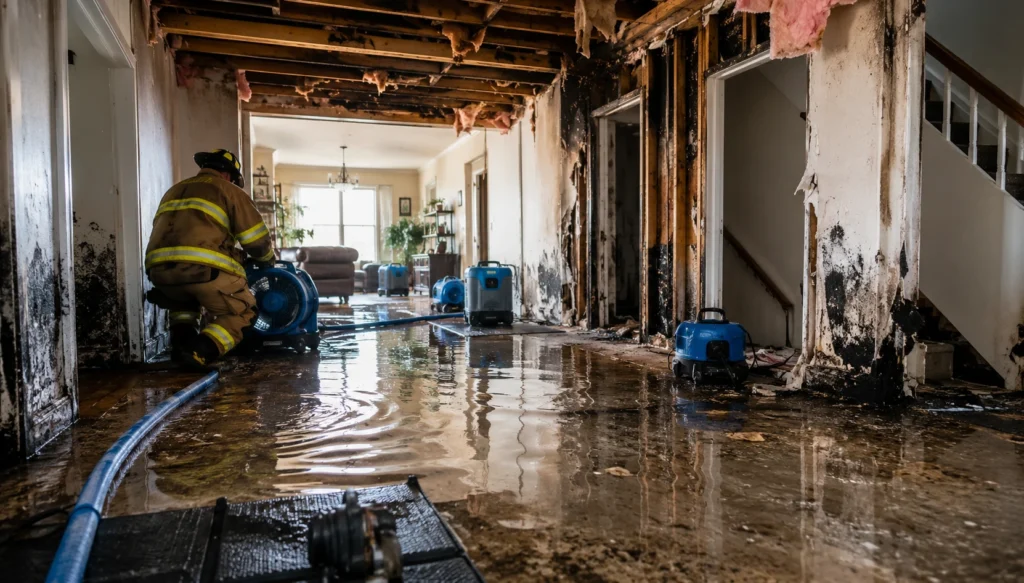
A fire can change everything in a matter of minutes. One moment you’re enjoying a normal day, and the next you’re dealing with damaged property, disrupted routines, and countless questions about what comes next. During this difficult time, a fire insurance adjuster plays a critical role in determining how your insurance claim is evaluated and ultimately settled. The problem? Most property owners only deal with a major fire claim once in their lifetime. Insurance companies handle them every day.
That difference matters. Whether you own a home, rental property, commercial building, or business, understanding how the claims process works can help protect your financial interests. The decisions made during the first few days and weeks after a fire often influence the final settlement amount. For property owners in Cameron, knowing what a fire insurance adjuster does, how fire claims are evaluated, and what steps you can take to strengthen your claim can make a significant difference in the outcome.
What Is a Fire Insurance Adjuster?
A fire insurance adjuster is a professional responsible for evaluating fire-related insurance losses. Their job is to inspect damage, review policy coverage, estimate repair or replacement costs, and help determine how much compensation should be paid under the policy. However, not all adjusters work for the same party.
There are three primary types:
| Type of Adjuster | Represents | Primary Goal |
| Insurance Company Adjuster | Insurance Carrier | Evaluate claim on behalf of insurer |
| Independent Adjuster | Insurance Carrier | Handle claims for multiple insurers |
| Public Adjuster | Policyholder | Advocate for the property owner |
This distinction is important. Many policyholders assume every adjuster involved in the claim process is working for them. In reality, insurance company adjusters and independent adjusters represent the insurance carrier. A public adjuster represents the policyholder. That difference can influence everything from damage documentation to settlement negotiations.
How Fire Insurance Claims Work
Fire claims are among the most complex property insurance claims. Unlike a broken window or minor water leak, fire damage often affects multiple systems simultaneously.
You may be dealing with:
- Structural damage
- Smoke contamination
- Soot residue
- Water damage from firefighting efforts
- Damaged personal property
- Temporary relocation expenses
- Code upgrade requirements
The typical claims process includes several stages.
Reporting the Loss
The first step is notifying your insurance company. Most policies require prompt reporting. Delays can create unnecessary complications and may slow the investigation process.
Initial Inspection
After the claim is reported, an adjuster is assigned. The adjuster typically schedules an inspection to assess visible damage and gather information about the loss.
Documentation Phase
This is where many claims become complicated.
Property owners are often asked to provide:
- Photos
- Videos
- Inventories
- Receipts
- Contractor estimates
- Temporary living expense records
The more organized your documentation, the stronger your claim becomes.
Damage Estimation
Adjusters prepare estimates based on observed damage, repair costs, and policy coverage. However, estimating fire losses isn’t always straightforward. Some damage is obvious. Other damage remains hidden until demolition or specialized inspections are performed.
Settlement Negotiations
Once estimates are completed, settlement discussions begin. Depending on the size and complexity of the claim, negotiations may continue for weeks or even months.
The Challenges Property Owners Face After a Fire
The emotional toll of a fire is difficult to describe. Many families lose more than physical belongings. They lose routines, comfort, and a sense of normalcy. At the same time, insurance deadlines continue moving forward. This creates significant pressure.
Understanding Policy Language
Insurance policies contain detailed coverage provisions. Most people don’t read these documents until after a loss occurs. Unfortunately, that’s when understanding them becomes most important.
Coverage categories may include:
- Dwelling coverage
- Personal property coverage
- Additional living expenses
- Debris removal
- Code upgrades
- Detached structures
Missing available benefits can reduce the value of your claim.
Hidden Damage
Not all fire damage is visible. Heat can weaken structural components. Smoke can penetrate walls. Soot can contaminate HVAC systems. Electrical systems may require extensive evaluation. What appears minor on the surface can become a major repair project later.
Inventory Challenges
Many policyholders underestimate how difficult it is to recreate a complete inventory. Imagine trying to remember everything inside your home. Every room. Every closet. Every drawer. The task becomes overwhelming quickly.
What Does a Fire Insurance Adjuster Do?
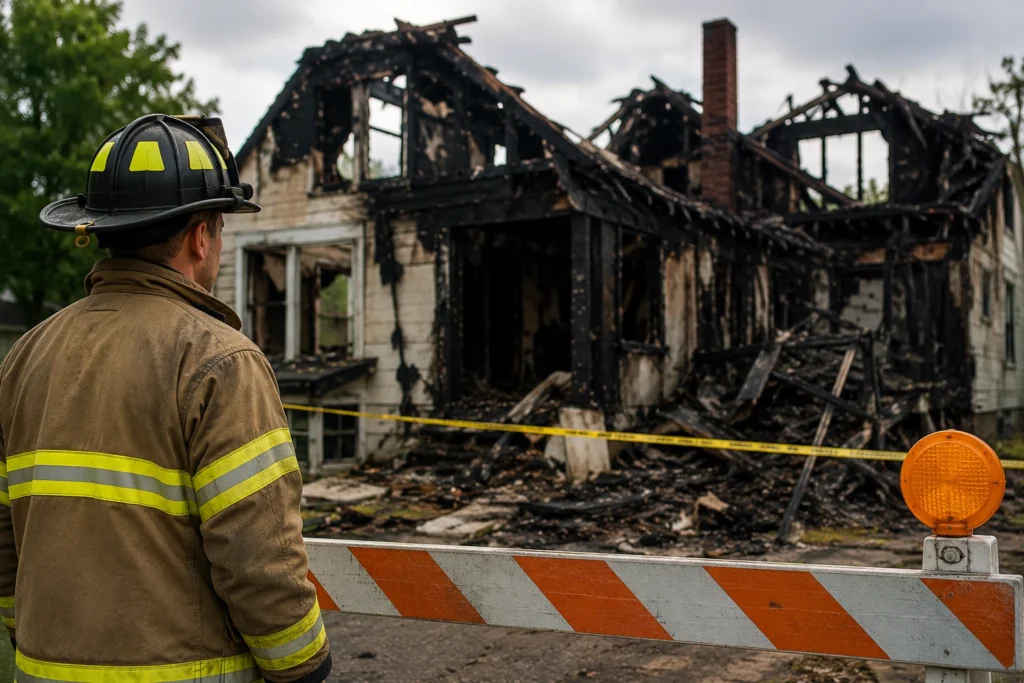
A fire insurance adjuster performs several important functions during the claims process.
Property Inspection
The adjuster evaluates affected areas and identifies visible damage.
This includes:
- Roofing systems
- Structural framing
- Walls
- Flooring
- Cabinets
- Fixtures
- Electrical systems
- Plumbing systems
Smoke and Soot Assessment
Smoke damage can extend far beyond the burn area. Even rooms untouched by flames may require cleaning, restoration, or replacement. Professional assessment is essential.
Personal Property Evaluation
Furniture, electronics, clothing, appliances, tools, and household items may all be affected. Each item must be documented and valued appropriately.
Estimate Preparation
Accurate estimating is one of the most important responsibilities of a fire insurance adjuster.
Repair costs must reflect:
- Current labor rates
- Material costs
- Local market conditions
- Building code requirements
Errors at this stage can significantly impact settlement amounts.
Negotiation Support
Disagreements occasionally arise regarding:
- Scope of damage
- Repair methods
- Replacement costs
- Coverage interpretation
Adjusters participate in resolving these issues and moving claims toward resolution.
Understanding Fire Damage Beyond Burned Materials
One of the biggest misconceptions about fire claims is that only burned items matter. That’s rarely the case.
Direct Fire Damage
This is the most obvious category.
Flames can destroy:
- Structural framing
- Roofing materials
- Flooring
- Cabinets
- Contents
However, direct burn damage often represents only part of the loss.
Smoke Damage
Smoke travels quickly.
It enters:
- Attics
- Ventilation systems
- Wall cavities
- Furniture
- Electronics
Even small fires can create extensive smoke contamination throughout a property.
Soot Contamination
Soot is highly acidic. Left untreated, it can cause permanent staining and deterioration.
Commonly affected surfaces include:
- Paint
- Fabric
- Wood
- Metal
- Electronics
Water Damage
Firefighters use substantial amounts of water during suppression efforts. As a result, many fire claims become water damage claims as well.
Moisture can lead to:
- Mold growth
- Material deterioration
- Structural concerns
Fast mitigation is critical.
Assessing complex fire damage sometimes requires specialized analysis and documentation. In technical fields, professionals often use advanced modeling methods to evaluate complicated systems, similar to concepts found in Computational Fluid Dynamics, where detailed simulations help experts understand how materials, heat, and airflow interact under various conditions.
Signs Your Fire Claim May Be Underpaid
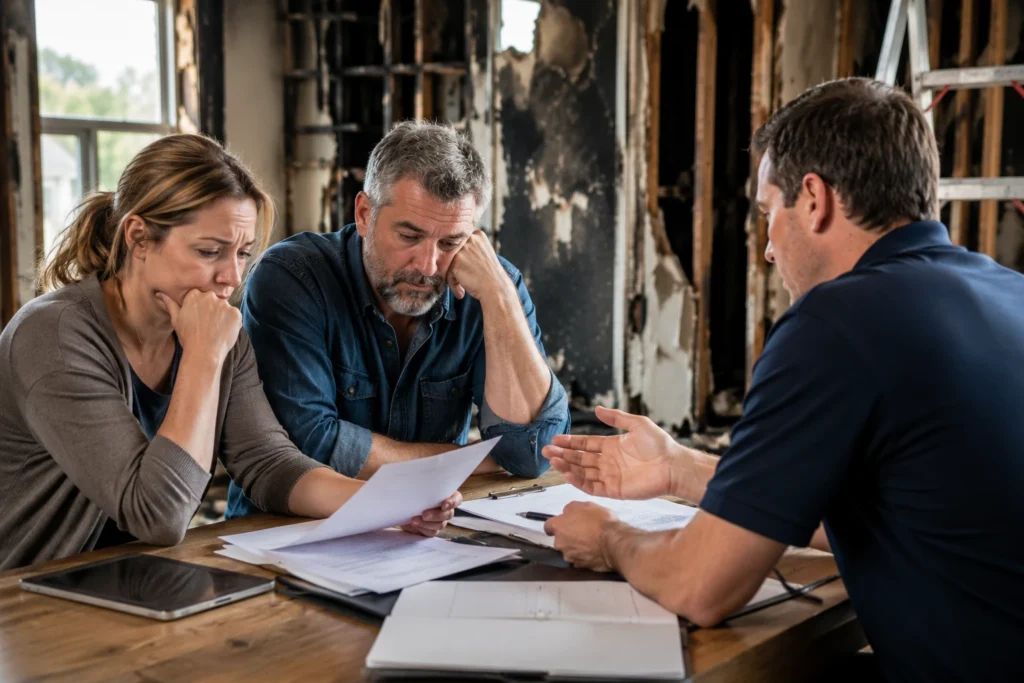
Most insurance companies strive to process claims fairly. However, underpayments can still occur.
Recognizing warning signs early is important.
Missing Damage Categories
Review settlement documents carefully.
Ask yourself:
- Were all rooms inspected?
- Was smoke damage fully addressed?
- Were personal belongings included?
- Were code requirements considered?
If important categories are missing, additional review may be necessary.
Low Personal Property Values
Contents claims are frequently disputed. Insurance companies may value items differently than policyholders expect. Detailed documentation helps support replacement values.
Incomplete Repair Scope
A low estimate is not always the problem. Sometimes the issue is an incomplete scope of work. If necessary repairs are omitted, the estimate may appear reasonable while still being insufficient.
Delays Without Explanation
Communication matters. Extended delays without clear updates can indicate claim complications that require additional attention.
The Benefits of Hiring a Public Fire Insurance Adjuster
Many property owners consider hiring professional representation after experiencing challenges with a claim. There are several reasons why.
Comprehensive Documentation
Documentation drives claim outcomes. The stronger the documentation, the easier it becomes to support the full extent of the loss.
Accurate Valuation
Repair and replacement costs continue changing. Professional claim evaluation helps ensure losses are valued appropriately.
Reduced Stress
Managing a fire claim can feel like a full-time job. Having experienced assistance allows property owners to focus on rebuilding their lives.
Professional Negotiation
Negotiations become easier when supported by detailed evidence, accurate estimates, and thorough documentation. Facts matter. Preparation matters. Organization matters. And together, they often create stronger claim presentations.
Public Adjuster Pros and Cons
When evaluating a large fire loss, many property owners eventually research Public Adjuster Pros and Cons before deciding whether professional representation makes sense for their situation. There is no one-size-fits-all answer. The right choice depends on the size of the claim, the complexity of the damage, and the policyholder’s comfort level with managing the process independently.
Potential advantages of working with a public adjuster include:
- Professional claim management
- Detailed documentation assistance
- Accurate damage valuation
- Help understanding policy provisions
- Negotiation support throughout the claim
- Reduced administrative burden on the property owner
Potential drawbacks may include:
- Professional fees based on the claim settlement
- Additional coordination during the claim process
- Not every small claim requires professional representation
For significant fire losses involving structural damage, smoke contamination, personal property inventories, and business interruption concerns, many property owners find that experienced guidance helps them navigate a complicated process more effectively.
Fire Insurance Adjuster vs. Insurance Company Adjuster
This distinction deserves special attention. Both professionals may be involved in your claim.
However, their roles are different.
| Category | Insurance Company Adjuster | Public Adjuster |
| Represents | Insurance Carrier | Policyholder |
| Reviews Coverage | Yes | Yes |
| Prepares Estimates | Yes | Yes |
| Negotiates Claim | Yes | Yes |
| Primary Duty | Insurer | Property Owner |
Understanding these differences helps set realistic expectations during the claims process. The goal isn’t conflict. The goal is clarity. When everyone understands their role, claim discussions become more productive. For property owners in Cameron, this knowledge can be especially valuable when facing a large residential or commercial fire loss.
Important Documentation for a Fire Insurance Claim
Documentation often determines the strength of a claim.
The following records are particularly important:
- Fire department reports
- Insurance correspondence
- Property photos
- Video walkthroughs
- Repair estimates
- Temporary housing receipts
- Hotel invoices
- Contractor reports
- Inventory spreadsheets
- Purchase receipts
Keep everything organized. Create digital backups whenever possible. A well-documented claim is easier to support, easier to review, and easier to negotiate.
How to Prepare a Personal Property Inventory
For many policyholders, the personal property portion of a fire claim becomes the most time-consuming part of the process. Why? Because people rarely keep a running inventory of everything they own. After a fire, however, insurers typically ask for detailed information regarding damaged or destroyed belongings. This includes descriptions, approximate purchase dates, replacement costs, and sometimes supporting documentation. The challenge is obvious. Most people can remember major items. They can list televisions, furniture, appliances, and computers. Smaller items are often forgotten, yet those smaller items can collectively represent thousands of dollars in losses.
Start Room by Room
Instead of attempting to remember everything at once, break the inventory into manageable sections.
Consider each room separately:
- Living room
- Kitchen
- Dining room
- Bedrooms
- Bathrooms
- Garage
- Attic
- Closets
- Storage rooms
This approach makes the task less overwhelming and often reveals items that would otherwise be overlooked.
Use Existing Evidence
Many homeowners already possess documentation without realizing it.
Helpful sources include:
- Family photographs
- Holiday photos
- Social media posts
- Home videos
- Credit card statements
- Bank records
- Online purchase histories
Sometimes a single photo can reveal dozens of possessions. Focus on Replacement Cost The objective is to identify what it would cost to replace an item today.
For example:
| Item | Original Cost | Current Replacement Cost |
| Sofa | $1,200 | $1,800 |
| Refrigerator | $900 | $1,400 |
| Television | $700 | $850 |
Replacement costs often differ significantly from original purchase prices. Accurate valuation matters.
Common Inventory Mistakes
Property owners frequently make avoidable mistakes such as:
- Forgetting storage areas
- Omitting seasonal items
- Undervaluing possessions
- Using rough guesses without research
- Failing to save supporting documentation
The more detailed the inventory, the stronger the claim becomes.
Fire Insurance Claims for Businesses
Residential fire claims are challenging. Commercial fire claims can be even more complex. Business owners often face multiple losses simultaneously. The building may be damaged. Equipment may be destroyed. Inventory may be unusable. Revenue may stop immediately. Meanwhile, expenses continue.
Commercial Property Damage
Commercial losses often involve:
- Offices
- Warehouses
- Restaurants
- Retail stores
- Industrial facilities
- Apartment complexes
Repairs can be extensive and expensive. Additionally, building codes may require upgrades that increase restoration costs.
Equipment Losses
Many businesses rely on specialized equipment.
Examples include:
- Commercial kitchen equipment
- Manufacturing machinery
- Medical devices
- Computer systems
- Service vehicles
Replacing these items often requires detailed documentation and specialized valuation.
Inventory Losses
Inventory claims can become particularly complicated.
Business owners may need to demonstrate:
- Quantity of lost inventory
- Cost basis
- Replacement value
- Sales records
The larger the inventory, the greater the documentation requirements.
Business Interruption Coverage
One of the most valuable coverages in a commercial policy is business interruption insurance.
This coverage may help recover:
- Lost income
- Continuing expenses
- Payroll obligations
- Relocation costs
However, calculating these losses requires financial analysis and substantial documentation. The process can be complex. The stakes can be enormous.
Why Local Experience Matters in Cameron Fire Claims
Every market has unique characteristics. Construction practices vary. Labor costs differ. Material availability changes from region to region. For property owners in Cameron, local knowledge can play an important role during the claims process.
Understanding Local Construction Costs
Repair estimates should reflect actual local conditions. A contractor’s pricing in one city may differ significantly from pricing in another. Accurate local data helps create more realistic repair projections.
Familiarity with Regional Building Practices
Older homes and commercial buildings often contain unique construction methods or materials. Understanding these factors helps ensure repairs are properly evaluated.
Local Contractor Relationships
Experienced professionals often maintain relationships with:
- Restoration contractors
- Engineers
- Roofers
- Electricians
- Mitigation companies
These relationships can help property owners obtain reliable assessments and timely repair information.
Faster Access to Resources
Following a major fire event, demand for contractors and restoration services often increases. Local experience can help identify available resources more efficiently.
What to Do Immediately After a Fire
The first few days following a fire are critical. The decisions made during this period can influence both safety and claim outcomes.
Prioritize Safety
Nothing is more important than personal safety. Never re-enter a damaged structure until authorities confirm it is safe. Structural instability, electrical hazards, and lingering smoke contamination can create dangerous conditions.
Contact Your Insurance Company
Report the loss as soon as reasonably possible. Prompt reporting helps initiate the claims process and allows inspections to begin.
Secure the Property
Insurance policies generally require policyholders to take reasonable steps to prevent additional damage.
Temporary measures may include:
- Boarding windows
- Tarping roofs
- Restricting access
- Protecting exposed contents
These actions help preserve the property while permanent repairs are arranged.
Document Everything
Documentation begins immediately. Take photographs and videos before cleanup begins whenever possible.
Capture:
- Structural damage
- Contents damage
- Smoke staining
- Water intrusion
- Exterior damage
The more evidence available, the easier it becomes to support the claim.
Save Every Receipt
Expenses accumulate quickly after a fire.
Examples include:
- Hotel stays
- Temporary housing
- Meals
- Transportation
- Storage costs
- Emergency purchases
Keep every receipt. Many of these expenses may qualify for reimbursement under your policy.
Common Fire Insurance Claim Mistakes to Avoid
Even intelligent, organized property owners can make mistakes after a fire. Stress often contributes to poor decisions. Awareness helps prevent problems.
Accepting the First Offer Too Quickly
Many policyholders simply want the process to end. That’s understandable. However, accepting a settlement before fully understanding the extent of damage can create long-term financial consequences. Take time to review the details.
Throwing Away Damaged Property
Damaged items often serve as evidence. Discarding them too early may create documentation challenges later. Always consult with the adjuster before disposal.
Incomplete Documentation
Insufficient documentation remains one of the most common reasons claims become disputed. Missing photos, missing receipts, and incomplete inventories weaken the claim file.
Missing Coverage Benefits
Many policies contain coverages that policyholders overlook.
Potential examples include:
- Debris removal
- Code upgrades
- Additional living expenses
- Temporary repairs
- Business interruption
Understanding available benefits is essential.
Failing to Keep Records
Maintain a dedicated claim file.
Track:
- Emails
- Letters
- Estimates
- Receipts
- Inspection reports
- Phone conversations
Good recordkeeping often becomes a significant advantage during claim negotiations.
Understanding Replacement Cost vs. Actual Cash Value
This distinction causes confusion for many policyholders. Yet it can significantly affect claim payments.
Actual Cash Value (ACV)
Actual cash value generally reflects depreciation. In simple terms, insurers consider age, condition, and expected useful life.
For example:
A ten-year-old television may not be valued at today’s replacement price. Depreciation reduces the payment amount.
Replacement Cost Value (RCV)
Replacement cost coverage generally pays what it costs to replace damaged property with comparable new property. This often results in higher claim payments. However, policy terms matter. Not every policy provides identical replacement cost benefits. Reviewing policy language carefully is important.
When Should You Consider Professional Claim Representation?
Not every fire claim requires outside assistance. Some smaller claims proceed smoothly from start to finish. Larger losses are different.
You may wish to consider professional representation when:
- The loss is substantial
- Settlement offers appear low
- Documentation requirements are overwhelming
- Coverage disputes arise
- The claim has stalled
- Business interruption losses are involved
- Significant smoke damage exists
The larger the loss, the greater the potential impact of claim decisions. For that reason, many property owners seek guidance before agreeing to a final settlement.
Fire Recovery Is More Than a Construction Project
Rebuilding after a fire involves more than replacing damaged materials. Families are rebuilding homes. Businesses are rebuilding operations. Property owners are rebuilding stability. That process takes time. It also requires informed decisions.
A knowledgeable fire insurance adjuster can play an important role in helping property owners understand the scope of their loss, document damages thoroughly, and navigate the often-complicated claims process. For homeowners and business owners in Cameron, understanding these principles can help protect both immediate recovery efforts and long-term financial interests.
How Cameron Public Adjuster Helps Fire Loss Victims
Recovering from a fire is rarely straightforward. The visible damage is only one part of the challenge. Property owners must also manage insurance paperwork, inspections, estimates, contractor meetings, temporary housing arrangements, and ongoing communication with the insurance company. That’s a lot to handle. Especially when you’re already dealing with the emotional and financial impact of the loss. At Cameron Public Adjuster, the goal is simple: help policyholders present the strongest possible claim and pursue the full benefits available under their insurance policy.
Comprehensive Claim Review
Every fire claim begins with a detailed review.
This includes evaluating:
- Policy coverage
- Damage documentation
- Initial estimates
- Personal property losses
- Additional living expenses
- Potential coverage gaps
A thorough review helps identify opportunities that may otherwise be overlooked.
Detailed Damage Assessments
Fire losses are often more extensive than they initially appear. While burned materials receive immediate attention, secondary damage can be equally significant.
Examples include:
- Smoke infiltration
- HVAC contamination
- Structural weakening
- Electrical damage
- Water intrusion
- Mold development
Identifying all affected areas is critical to preparing an accurate claim.
Documentation Support
Documentation drives claim outcomes. Strong documentation helps support repair costs, replacement values, and coverage requests.
Cameron Public Adjuster assists clients with:
- Property inventories
- Damage reports
- Photo documentation
- Cost estimates
- Supporting records
- Claim organization
The result is a more complete and professionally presented claim file.
Negotiation and Claim Management
Negotiations often become necessary when there are disagreements regarding:
- Scope of damage
- Repair methods
- Valuation
- Coverage interpretation
Professional claim management helps ensure important issues are addressed and supported with evidence. Preparation matters. Facts matter. Documentation matters. The combination can significantly strengthen a claim.
Advanced Strategies for Maximizing a Fire Insurance Claim
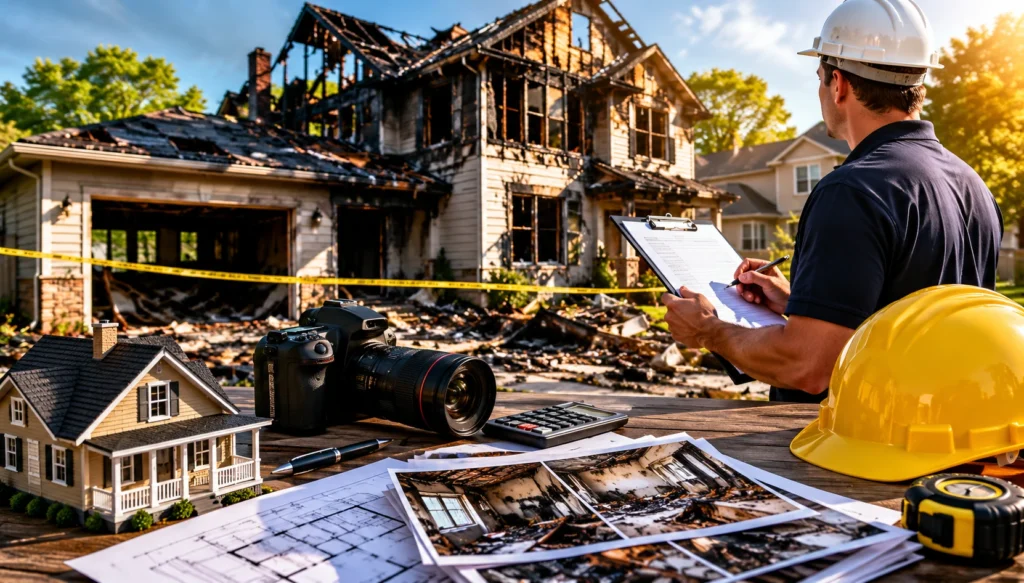
Many property owners focus exclusively on visible damage. That’s understandable. However, some of the most valuable portions of a fire claim involve less obvious categories. Understanding these areas can help maximize recovery.
Don’t Overlook Smoke Damage
Smoke can affect nearly every area of a structure.
Even rooms untouched by flames may require:
- Cleaning
- Sealing
- Deodorization
- Restoration
- Replacement
Smoke residue often travels through ventilation systems and concealed spaces. Ignoring these areas can lead to future problems.
Consider Building Code Upgrades
Building codes change over time. When repairs are performed, local regulations may require upgrades that were not part of the original structure.
Examples may include:
- Electrical improvements
- Fire safety systems
- Structural enhancements
- Accessibility requirements
Depending on policy language, coverage may be available for these costs.
Evaluate Temporary Living Expenses Carefully
Many homeowners underestimate the value of Additional Living Expense coverage.
These benefits may help cover:
| Potential Expense | Examples |
| Housing | Hotel stays, rental homes |
| Food | Increased meal costs |
| Transportation | Additional travel expenses |
| Storage | Temporary storage units |
| Pet Boarding | Temporary pet accommodations |
These costs can accumulate quickly during a lengthy restoration project. Maintain detailed records.
Document Business Income Losses Thoroughly
For business owners, business interruption losses may exceed the value of physical damage. Revenue lost during closure periods can have lasting effects.
Strong documentation often includes:
- Financial statements
- Tax returns
- Sales reports
- Payroll records
- Historical operating data
Accurate calculations are essential.
Questions Every Property Owner Should Ask During a Fire Claim
Many policyholders feel intimidated during the claims process. They shouldn’t. Asking informed questions helps clarify expectations and identify potential concerns.
Consider asking:
- What specific coverages apply to this loss?
- Has smoke damage been fully evaluated?
- Were code upgrade requirements considered?
- How were repair costs calculated?
- What documentation is still needed?
- Are additional inspections recommended?
- What is the estimated timeline for resolution?
- How are personal property values being determined?
Good questions often lead to better outcomes.
Red Flags That May Indicate Claim Problems
Most claims proceed without major disputes. However, certain warning signs deserve attention.
Significant Estimate Differences
Large differences between contractor estimates and insurance estimates should be evaluated carefully.
The issue may involve:
- Missing scope items
- Pricing discrepancies
- Code requirements
- Hidden damage
Understanding the reason for the difference is important.
Repeated Delays
Some delays are unavoidable. Others may indicate unresolved issues. If communication becomes inconsistent or progress stalls without explanation, further investigation may be necessary.
Incomplete Inspections
Fire losses often require specialized evaluation. If critical areas were not inspected, important damage could remain undocumented.
Pressure to Settle Quickly
Property owners should fully understand their damages before agreeing to final settlements. Rushing the process can create financial challenges later.
The Long-Term Impact of Proper Claim Handling
The effects of a fire claim often extend far beyond the settlement check.
A properly documented claim can help ensure:
- Complete repairs
- Improved property safety
- Better restoration quality
- Reduced out-of-pocket expenses
- Stronger long-term property value
Conversely, overlooked damage or inadequate settlements may leave property owners responsible for unexpected future costs. The stakes are higher than many people realize. That’s why careful claim management matters from the beginning.
Why Experience Matters in Fire Claims
Fire claims involve multiple disciplines. Construction. Estimating. Insurance policy interpretation. Contents valuation. Business interruption analysis. Documentation. Negotiation. The larger the loss, the more important experience becomes. An experienced fire insurance adjuster understands how these elements interact and how they influence claim outcomes. That knowledge can help identify issues before they become expensive problems.
Fire Insurance Adjuster: Protecting Your Financial Recovery
A major fire can be one of the most difficult events a property owner will ever face. The damage is visible. The stress is real. The uncertainty can be overwhelming. Yet the insurance claim process plays a major role in determining how effectively a homeowner or business owner recovers. Understanding the role of a fire insurance adjuster is one of the most important steps in that process. A qualified fire insurance adjuster evaluates damage, reviews coverage, prepares estimates, documents losses, and helps move claims toward resolution. Whether the claim involves a family home, rental property, office building, warehouse, or retail location, proper evaluation is essential.
For many policyholders, the difference between a smooth recovery and a frustrating one comes down to preparation. Good documentation. Accurate valuation. Clear communication. Strategic claim management. These factors often influence the final settlement more than property owners realize. If you’ve experienced a fire loss, don’t assume the first estimate tells the entire story.
Ask questions. Review the details. Understand your policy. Document everything. And when necessary, seek professional guidance. For property owners in Cameron, having knowledgeable support during the claims process can help ensure that fire-related damages are fully evaluated and properly presented. A trusted fire insurance adjuster can provide valuable insight, reduce stress, and help protect your financial interests during one of life’s most challenging situations.
Conclusion
Fire damage can affect far more than what flames destroy. Smoke contamination, water damage, structural concerns, personal property losses, and temporary living expenses often become significant parts of the claim. That’s why understanding the role of a fire insurance adjuster is so important.
The right approach starts with thorough documentation, accurate damage assessment, and a clear understanding of policy benefits. From the first inspection to the final settlement, every decision matters.
For homeowners and business owners facing a fire loss, knowledge is one of the most valuable tools available. By understanding the claims process, avoiding common mistakes, and seeking professional assistance when needed, you can position yourself for a stronger recovery and a more successful claim outcome. A fire may disrupt your property, but it doesn’t have to derail your financial future.
FAQs
A fire insurance adjuster inspects property damage, reviews policy coverage, estimates losses, and helps determine the value of a fire insurance claim.
You should report the loss as soon as possible after the fire to avoid delays and help the claims process begin promptly.
Most policies cover smoke damage resulting from a covered fire, but coverage details vary depending on the policy terms.
Prioritize safety, contact your insurance company, document the damage, secure the property, and keep receipts for fire-related expenses.
Yes. Policyholders can negotiate if they believe damage, repair costs, or personal property losses were not fully evaluated.
Fire claims can involve structural damage, smoke contamination, water damage, personal property losses, and additional living expenses all at once.
Photographs, receipts, bank statements, credit card records, and home inventory lists can help support personal property values.
A public adjuster represents the policyholder, while an insurance company adjuster represents the insurance carrier.
Many policies include Additional Living Expense coverage that may help pay for temporary housing and other necessary costs.
You may benefit from professional assistance when dealing with a large loss, claim disputes, complex damage, or settlement concerns.