
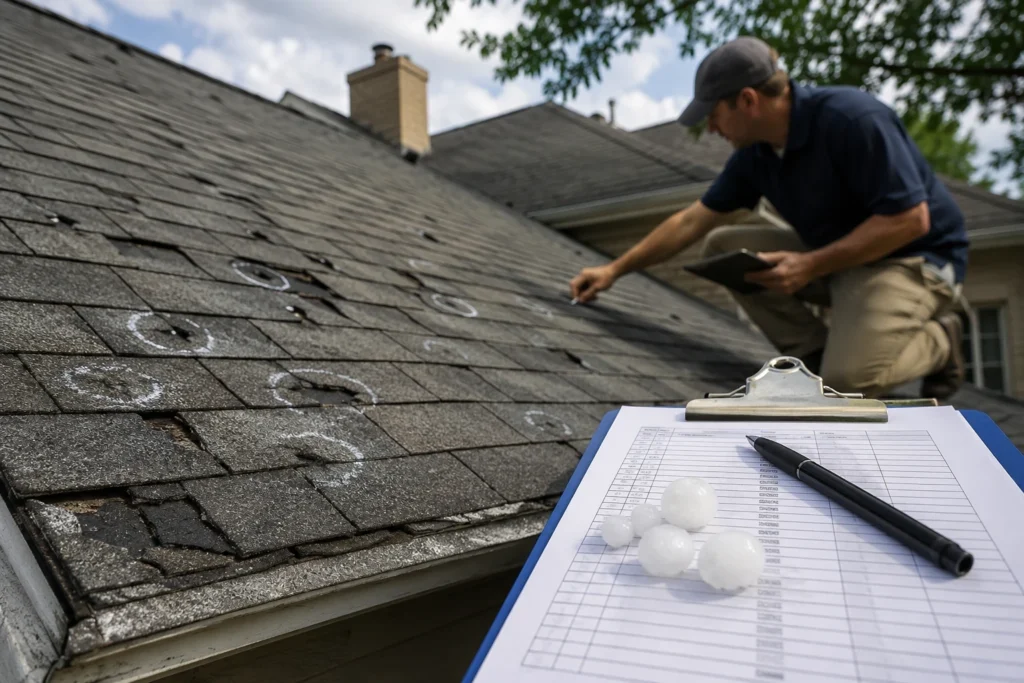
A surprising number of hail claims are underpaid for one simple reason: the original estimate is incomplete. That’s it. Not because the insurance company necessarily denied the claim. Not because coverage was unavailable. Not because the policyholder failed to report the damage. Instead, the initial scope often misses repair items that should have been included from the beginning. This is where Hail Damage Claim Supplements: What Carriers Miss in Their Scope becomes one of the most important topics a property owner can understand. If you’re dealing with storm damage, the difference between an incomplete estimate and a properly documented supplement can mean thousands—or even tens of thousands of dollars.
I’ve reviewed countless hail claims over the years, and one pattern appears repeatedly. The carrier’s estimate includes obvious damage but overlooks critical components required to restore the property properly. Those omissions matter. For property owners in Cameron, understanding how supplements work can help prevent costly repair shortfalls. Whether the loss involves a residential roof, commercial building, detached structure, or multiple elevations, accurate scoping is the foundation of a fair settlement. The good news? Most scope deficiencies can be identified, documented, and supported through proper Xactimate estimating. Let’s dive in.
Understanding Hail Damage Claim Supplements
Many homeowners hear the word “supplement” and immediately assume something went wrong with the claim. That’s not necessarily true. Supplements are a normal and expected part of many property insurance claims. A supplement is simply additional documentation requesting payment for repair items that were omitted, underestimated, or discovered after the original estimate was prepared. Think of it this way. The first inspection is often a snapshot. The supplement process creates the full picture.
Why Supplements Exist
Insurance adjusters frequently inspect dozens of properties after a major hail event. Sometimes hundreds. As a result, inspections may focus primarily on visible damage rather than every component required for complete restoration. This creates gaps.
Common reasons supplements become necessary include:
- Hidden damage discoveries
- Missing roofing components
- Code-required upgrades
- Labor items omitted from estimates
- Incorrect measurements
- Material pricing changes
- Additional damage identified during repairs
Supplements are not about inflating claims. They are about accuracy. And accuracy matters.
The Difference Between an Estimate and a Complete Scope of Loss
Many property owners assume the estimate they receive represents everything needed to repair the property. That assumption can become expensive. An estimate is only as good as the scope behind it.
A complete scope identifies:
- Damaged materials
- Labor requirements
- Tear-off procedures
- Safety requirements
- Equipment needs
- Code upgrades
- Specialty trades
- Disposal requirements
When even a few items are omitted, the financial impact can become substantial. Consider a roofing claim. A carrier may include shingles but omit starter rows, drip edge, flashing replacements, ridge cap materials, ventilation components, and detach-and-reset operations. Individually, those items may seem minor. Together, they can dramatically affect the settlement amount.
Why Insurance Carrier Estimates Often Come In Low
Let’s be clear. Most adjusters work hard. The challenge isn’t necessarily effort. It’s scope. When a claim volume spikes after a major storm, inspections become compressed and workloads increase dramatically. The result? Incomplete estimates become more common.
Fast Inspections Create Gaps
After a significant hailstorm, carriers often deploy catastrophe teams to inspect large numbers of properties quickly. Speed becomes essential. Unfortunately, speed and detail don’t always work well together. A roof inspection lasting thirty minutes may identify obvious hail impacts while overlooking multiple repair components. The property owner only sees the final estimate. They don’t see what was missed.
Adjusters Can Only Estimate What They See
This is a critical concept. Insurance estimates are generally based on observed conditions. If flashing is hidden beneath materials, underlayment cannot be viewed directly, or ventilation damage isn’t fully documented, those items may not appear in the estimate. That doesn’t mean they aren’t damaged. It simply means they weren’t included.
High Claim Volume Changes Everything
Following widespread storms, adjusters often manage overwhelming workloads. The focus shifts toward establishing coverage and estimating visible damage quickly. Detailed line-item analysis may occur later if at all. This creates opportunities for supplements. Not because anyone acted improperly. Because complete scoping requires time.
Understanding Xactimate and Why It Matters
When discussing Hail Damage Claim Supplements: What Carriers Miss in Their Scope, one software platform dominates the conversation. Xactimate. Xactimate is the estimating system used by many insurance carriers, contractors, consultants, and public adjusters throughout the country. It serves as the common language of property damage estimating.
What Is Xactimate?
Many homeowners mistakenly believe Xactimate automatically determines claim value. It doesn’t. Xactimate calculates pricing based on the information entered. The software itself is only a tool. The quality of the estimate depends on the quality of the scope. Garbage in. Garbage out. Accurate inputs create accurate estimates. Missing inputs create missing payments. It’s that simple.
Why Xactimate Expertise Matters
A person with deep Xactimate experience understands:
- Proper line-item selection
- Roofing system requirements
- Labor calculations
- Equipment requirements
- Regional pricing databases
- Building code considerations
- Material relationships
These details can significantly affect the final estimate. The difference isn’t necessarily pricing. It’s completeness.
The Biggest Misconception About Xactimate
Most disputes are not actually about price. They’re about missing scope. This distinction is incredibly important. Homeowners often focus on whether the carrier’s shingle price matches a contractor’s proposal. While pricing matters, missing line items frequently create larger discrepancies.
For example:
A roof replacement estimate may contain the correct shingle pricing while omitting:
- Starter shingles
- Ridge cap
- Drip edge
- Ice and water barrier
- Flashing replacement
- Pipe jack replacement
- Ridge ventilation
The pricing may be accurate. The scope may not be. That’s where supplements become necessary.
Common Roofing Items Carriers Miss in Their Scope
Roof systems are complex. Far more complex than many people realize. A roof is not simply shingles attached to decking. It is an interconnected system of components designed to work together. When one component is replaced, others often require replacement as well.
Starter Shingles
Starter shingles provide the first layer of protection along roof edges. They help resist wind uplift and improve overall roof performance. Because they are concealed beneath visible shingles, they are commonly overlooked.
Ridge Cap Materials
Ridge cap materials cover roof peaks and intersections. These components frequently sustain hail damage but may not be separately listed. Replacement often becomes necessary during full roof restoration.
Roofing Underlayment
Underlayment provides secondary moisture protection beneath roofing materials. It is one of the most commonly omitted items in hail claims. Because it remains hidden until tear-off, adjusters may not include it initially.
Drip Edge
Drip edge protects roof edges and directs water away from structural components. Many roofing projects require replacement of drip edge materials during installation. Yet this item is often absent from initial estimates.
Flashing Components
Flashing protects vulnerable roof transitions.
Common flashing items include:
- Step flashing
- Valley flashing
- Counter flashing
- Pipe flashing
Failure to properly replace flashing can create future water intrusion risks.
Ventilation Systems
Ventilation affects roof longevity.
Common components include:
| Ventilation Component | Common Issue |
| Ridge Vent | Frequently omitted |
| Static Vent | Not always documented |
| Power Vent | May require replacement |
| Turbine Vent | Often overlooked |
| Vent Flashing | Hidden damage possible |
These items can add significant cost when properly scoped.
Why Small Omissions Become Large Financial Gaps
One missing item rarely causes major problems. Multiple missing items do. Let’s look at a simplified example.
| Missing Item | Estimated Value |
| Starter Shingles | $300 |
| Ridge Cap | $500 |
| Flashing | $600 |
| Drip Edge | $400 |
| Ventilation Components | $700 |
| Additional Labor | $1,000 |
Total omitted value?
$3,500.
And that’s a conservative example. Commercial claims can involve significantly larger discrepancies. This is why Hail Damage Claim Supplements: What Carriers Miss in Their Scope remains such an important discussion for property owners in Cameron and surrounding areas. The missing items often hide in plain sight. The challenge is identifying them before repairs begin.
Building Code Requirements That Frequently Trigger Supplements
Another area where supplements commonly arise involves code compliance. Building codes evolve. Materials change. Installation standards improve. A roof installed fifteen years ago may not meet today’s requirements. That creates additional considerations during replacement.
Code Upgrades Are Not Optional
When repairs are performed, contractors generally must comply with current local requirements.
Examples may include:
- Updated underlayment requirements
- Enhanced fastening standards
- Improved ventilation requirements
- Ice barrier requirements
- Flashing specifications
If those requirements increase project costs, they should be properly evaluated during claim review.
Ordinance and Law Coverage
Many policies include provisions addressing code-related expenses. These provisions may help cover costs associated with bringing damaged property into compliance during repairs. Understanding how this coverage applies can significantly affect settlement outcomes. Unfortunately, code-related items are often absent from initial estimates. That omission frequently becomes the basis for supplements.
Older Roofs Often Generate More Supplement Opportunities
Older roofing systems create unique challenges. Materials may no longer be available. Installation methods may differ from current standards. Additional labor may become necessary.
Examples include:
- Matching discontinued materials
- Updating ventilation systems
- Replacing aged flashing
- Meeting modern installation standards
Each factor can influence claim value. Each factor should be documented. Each factor should be considered during scope development. For many property owners in Cameron, older roofs represent some of the most supplement-intensive hail claims. The older the system, the more opportunities exist for overlooked repair requirements.
Hidden Damage Discovered During Repairs
One of the biggest reasons supplements exist is simple. Some damage cannot be confirmed until repairs begin. No matter how experienced an adjuster is, certain conditions remain hidden until roofing materials are removed. This is especially true after hail events. A roof may appear straightforward from the surface, only to reveal additional issues once contractors begin tear-off.
What Happens After Tear-Off
Removing damaged roofing materials often exposes conditions that were impossible to verify during the initial inspection.
Examples include:
- Damaged decking
- Moisture intrusion
- Compromised fasteners
- Deteriorated flashing
- Improper prior repairs
- Ventilation deficiencies
These discoveries are not unusual. They’re common. And when they affect the scope of repairs, supplements become necessary.
Why Supplemental Claims Continue During Construction
Many homeowners are surprised when contractors submit additional documentation after work begins. They shouldn’t be. Construction is a discovery process. As hidden conditions become visible, additional repairs may be required to restore the property properly. The key is documentation. Every supplemental request should be supported by evidence rather than assumptions. Photographs, measurements, contractor reports, and manufacturer specifications help create a stronger case for additional payment.
How Xactimate Experts Build Strong Supplements
Not all supplements are created equally. A successful supplement package isn’t simply a list of additional costs. It’s a detailed presentation supported by facts. This is where Xactimate expertise becomes extremely valuable.
Accurate Property Measurements
Everything starts with measurements. Incorrect roof dimensions create inaccurate estimates.
Xactimate users often verify:
- Roof squares
- Ridge lengths
- Valley lengths
- Eave measurements
- Hip measurements
- Waste calculations
Small errors can create significant differences in total claim value.
Proper Line Item Selection
Many repair operations require specific line items that are easy to miss. Experienced estimators understand how individual tasks interact.
A roof replacement may require separate line items for:
- Tear-off
- Material installation
- Flashing replacement
- Ridge cap replacement
- Starter row installation
- Ventilation components
- Debris removal
- Equipment usage
Missing even one category can affect settlement accuracy.
Supporting Every Request With Evidence
Strong supplements rely on documentation. Weak supplements rely on opinions. Insurance carriers are far more likely to approve requests supported by clear evidence.
Useful documentation includes:
| Documentation Type | Purpose |
| Photos | Verify conditions |
| Measurements | Confirm quantities |
| Manufacturer Documents | Support repair requirements |
| Code References | Verify compliance needs |
| Contractor Reports | Explain field conditions |
| Inspection Notes | Establish repair necessity |
Evidence wins. Every time.
Organization Matters
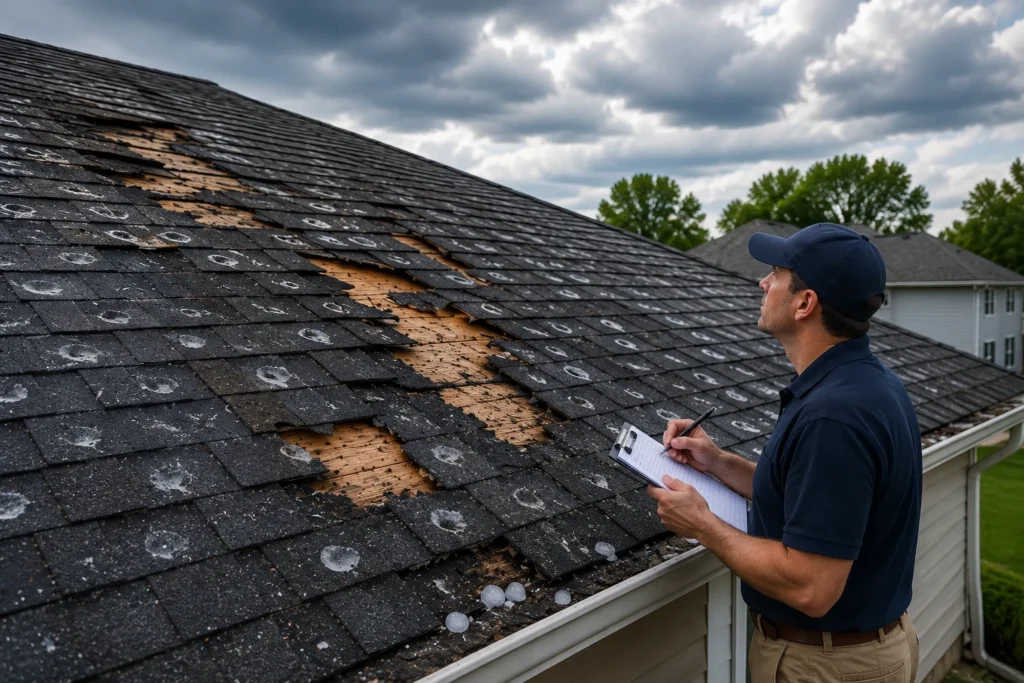
Accurate claim documentation often resembles the process of creating a detailed taxonomy the scientific practice of classification and organization. Just as researchers use taxonomy to systematically categorize complex information, successful insurance claim supplements rely on organizing photographs, measurements, estimates, code references, and supporting evidence into a structured framework that can be easily reviewed and verified. This level of organization helps ensure that important repair items are not overlooked during the claim review process.
The Supplement Review Process
Many property owners have never experienced the supplement process. Understanding the typical workflow helps eliminate confusion.
Step 1: Review the Original Estimate
The first step involves comparing the carrier’s estimate against actual repair requirements.
Questions often include:
- What items are missing?
- Are measurements accurate?
- Were code requirements addressed?
- Are labor operations complete?
Step 2: Conduct a Detailed Reinspection
A thorough inspection often identifies additional repair items. The focus shifts from confirming damage to creating a complete repair scope. Every component matters. Every detail matters.
Step 3: Build the Xactimate Supplement
Once conditions are documented, a revised estimate can be prepared.
This estimate should include:
- Missing line items
- Updated quantities
- Code-related requirements
- Supporting notes
Step 4: Submit Supporting Documentation
Documentation accompanies the estimate.
This package may contain:
- Photographs
- Reports
- Manufacturer information
- Building code references
- Contractor observations
Step 5: Negotiate Scope Differences
Negotiation is often part of the process. But successful negotiations rarely depend on emotion. They depend on facts. The stronger the evidence, the stronger the position.
Common Carrier Arguments and How Supplements Address Them
“The Damage Is Cosmetic”
This argument appears frequently. However, not all hail damage is cosmetic.
Functional damage may affect:
- Water shedding ability
- Roof lifespan
- Protective coatings
- Structural performance
“That Item Is Included Elsewhere”
Sometimes adjusters believe a requested operation is already covered. The solution is careful line-item analysis and scope comparison.
“The Pricing Is Too High”
Pricing disputes occur. However, many supplement disagreements involve scope rather than pricing.
“We Don’t Owe for Code Upgrades”
This issue often depends on policy language and applicable coverage. Documentation becomes critical.
The relevant questions include:
- Does local code require the upgrade?
- Is the upgrade triggered by repairs?
- Does the policy provide coverage?
Why Homeowners in Cameron Should Pay Attention to Supplements
Hailstorms can create complex losses.Especially in communities like Cameron, where roofing systems, detached structures, fencing, outbuildings, and accessory structures may all be affected during a single storm event. Yet many homeowners focus solely on the roof. That can be a mistake. A complete claim review should consider all damaged components.
Commonly Overlooked Areas
During hail claims, supplemental opportunities frequently arise from:
- Gutters
- Downspouts
- Window screens
- Metal roof accessories
- Detached garages
- Storage buildings
- HVAC components
- Exterior finishes
Documentation Can Change Outcomes
I’ve seen situations where a handful of additional photographs revealed thousands of dollars in omitted repairs. Not because damage suddenly appeared. Because it was finally documented. For property owners in Cameron, detailed documentation remains one of the most effective ways to strengthen a claim.
The Financial Impact of Missing Scope Items
Let’s talk numbers. Missing scope items rarely appear dramatic individually. Collectively, however, they can become substantial.
| Item | Potential Value |
| Flashing Replacement | $800 |
| Ridge Vent | $900 |
| Starter Course | $450 |
| Underlayment | $1,200 |
| Drip Edge | $600 |
| Additional Labor | $1,500 |
Total omitted value:
$5,450.
And that’s before considering code upgrades, hidden damage, or detached structures. For larger properties, the difference can become much greater. This is exactly why Hail Damage Claim Supplements: What Carriers Miss in Their Scope deserves careful attention.
Real-World Examples of How Supplements Increase Claim Accuracy
Example 1: The Missing Roofing Components
A homeowner receives an insurance estimate for a hail-damaged roof. The carrier includes shingle replacement and basic labor costs.
However, a detailed review reveals omitted items such as:
- Starter shingles
- Ridge cap materials
- Drip edge
- Pipe jack flashing
- Ridge vent replacement
After documentation and submission of a supplement, the claim is updated to include the missing components.
Example 2: Hidden Damage Found During Tear-Off
During roof replacement, a contractor discovers damaged decking beneath roofing materials. The damage was impossible to verify during the initial inspection. Photographs are taken. Measurements are documented. A supplement is submitted. Additional payment follows.
Example 3: Code Compliance Requirements
An older roof must meet current installation requirements. Updated underlayment, fastening standards, and ventilation requirements increase project costs. The original estimate did not account for these items. A supplement helps align the estimate with actual repair requirements.
Comparing Contractor Estimates and Insurance Estimates
One of the most common questions homeowners ask is: “Why is my contractor’s estimate higher than the insurance estimate?” In many cases, the answer is scope.
| Estimate Category | Carrier Estimate | Complete Repair Scope |
| Shingles | Included | Included |
| Starter Rows | Omitted | Included |
| Ridge Cap | Omitted | Included |
| Drip Edge | Omitted | Included |
| Flashing | Partial | Included |
| Ventilation | Omitted | Included |
| Code Upgrades | Omitted | Included |
The discrepancy often exists because one scope is more complete than the other.
Documentation Checklist for Stronger Supplements
Whenever safe to do so, gather:
Photographic Evidence
Capture:
- Roof damage
- Gutters and downspouts
- Window screens
- Exterior elevations
- Detached structures
- HVAC units
- Fencing
Take both wide-angle and close-up photographs.
Maintain Claim Records
Create a file containing:
- Insurance correspondence
- Inspection reports
- Contractor estimates
- Repair invoices
- Weather reports
- Photographs
Request Detailed Estimates
Avoid relying solely on summary pricing. Detailed estimates make it easier to identify missing line items and scope differences.
When Should You Request a Supplement?
Not every claim requires one. Many do.
Signs Your Claim May Be Underpaid
Consider a closer review if:
- Contractor estimates are significantly higher
- Important components appear missing
- Hidden damage was discovered
- Code requirements were ignored
- Repairs cannot be completed for the settlement amount
What to Do If Your Hail Claim Was Denied in Cameron, TX
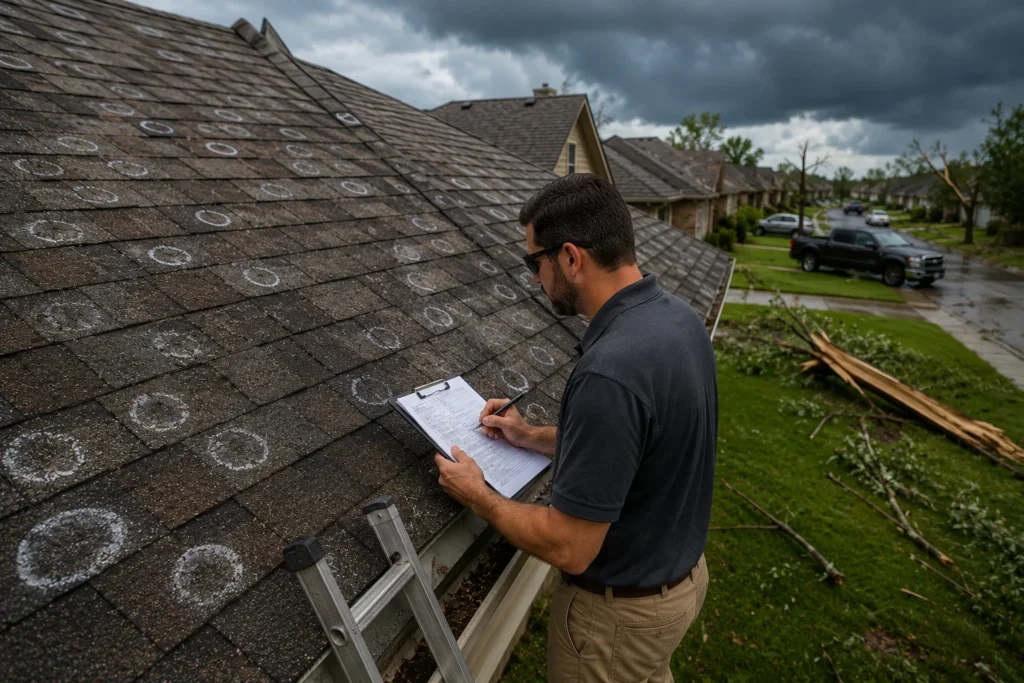
A denial does not always mean the end of the claim process. In many situations, denied claims result from insufficient documentation, limited inspections, disagreements regarding the cause of damage, or incomplete evidence rather than a complete lack of coverage. If you’re researching What to Do If Your Hail Claim Was Denied in Cameron, TX, start by obtaining a copy of the carrier’s estimate, denial letter, inspection findings, and supporting documentation used during the decision-making process. A thorough reinspection may uncover missed damage, overlooked roofing components, code-related requirements, or additional evidence that was not previously considered. In some cases, a detailed Xactimate estimate and supplemental documentation can help strengthen your position and support further review of the claim.
Questions Every Property Owner Should Ask
- Does the estimate include all damaged materials?
- Are all labor operations accounted for?
- Were code requirements evaluated?
- Are ventilation components included?
- Was flashing properly addressed?
- Were detached structures inspected?
How a Public Adjuster Uses Xactimate Expertise to Strengthen Claims
A public adjuster approaches the claim differently. The objective is not simply identifying damage. The objective is identifying everything required to restore the property.
Speaking the Same Language
One advantage of Xactimate expertise is consistency. When estimates are prepared using the same platform commonly used by carriers, discussions become more focused on scope.
Documentation-Based Negotiation
The strongest claims rely on facts. Not frustration. Not assumptions. Photographs, measurements, reports, and supporting documentation create a much stronger foundation for successful claim negotiations.
Final Thoughts: The Difference Between an Estimate and a Complete Claim
Many hail claims begin with incomplete scopes. That doesn’t automatically mean anyone acted improperly.It simply reflects the challenges of inspecting complex properties after major storm events. The supplement process exists to close those gaps. To identify what was missed. To document what is required. And to support fair compensation based on actual repair needs.
Throughout this article, we’ve explored Hail Damage Claim Supplements: What Carriers Miss in Their Scope and why Xactimate expertise plays such an important role in uncovering overlooked repair costs. The biggest lesson? Never assume the first estimate is the final answer. Review it carefully. Compare it against actual repair requirements. Document everything. Ask questions. For property owners in Cameron, those steps can make the difference between a claim that merely moves forward and a claim that truly provides the resources needed to restore the property properly. A complete scope creates a complete claim. And complete claims lead to better outcomes.
FAQs
A hail damage claim supplement is additional documentation requesting payment for repair items that were missed, underestimated, or discovered after the original estimate.
Initial inspections are sometimes limited by time, visibility, and claim volume, which can lead to incomplete scopes of loss.
Xactimate is an estimating software widely used by insurance carriers, contractors, and public adjusters to calculate repair costs.
Starter shingles, ridge caps, flashing, drip edge, ventilation components, and underlayment are frequently overlooked.
Yes. If hidden damage is discovered during repairs, it can often be documented and submitted as a supplement.
A well-supported supplement can help ensure all necessary repairs are included in the claim valuation.
Photographs, measurements, contractor reports, code references, and detailed estimates are commonly used to support supplements.
Review the denial letter, gather additional documentation, and consider obtaining a detailed reinspection of the property.
Coverage depends on the policy, but many policies include Ordinance and Law provisions that may help cover qualifying code-related costs.
If you suspect missing scope items, underpayment, or claim disputes, a public adjuster can help evaluate the estimate and supporting documentation.